Top 5 Beginner-Friendly Trails in the Rockies
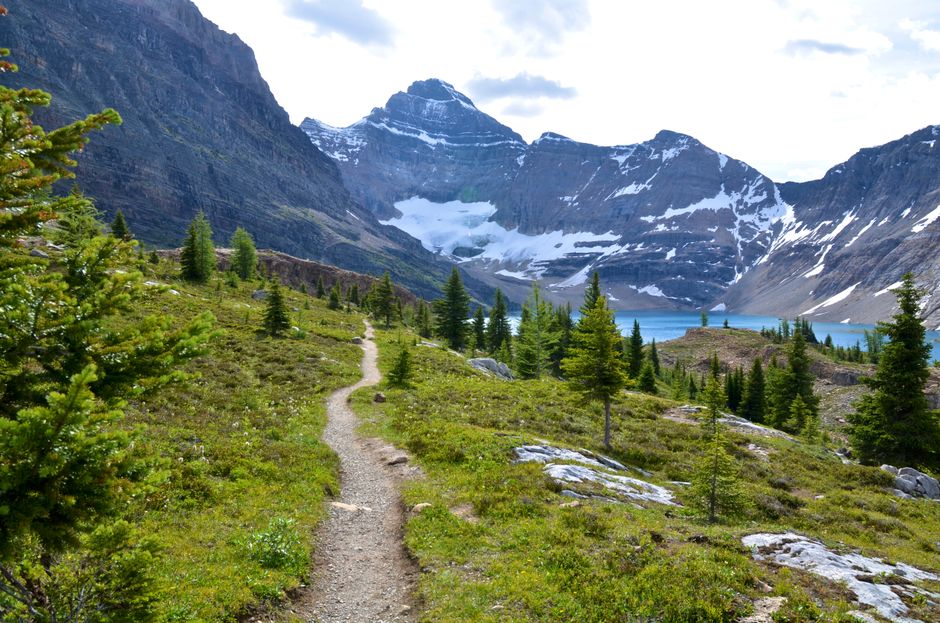
The Rocky Mountains offer a vast network of trails that cater to a wide range of abilities. For those new to hiking, selecting a route that matches your current fitness level and experience can make the difference between an enjoyable outing and an overwhelming one. This article presents five beginner-friendly trails in the Rockies, each chosen for its relatively gentle grades, clear paths, and rewarding scenery. The information provided is intended to help you make an informed decision about which trail might suit your interests and capabilities.
Before setting out, it is important to consider factors such as weather conditions, altitude, and your own physical readiness. The trails described here vary in length and elevation gain, but all are generally considered suitable for novices. Remember that mountain environments can change quickly, so carrying essentials like water, snacks, and layers is always wise. Trailhead Adventures recommends checking local trail conditions and regulations before your hike, as these can affect accessibility and safety.
Each trail profile includes distance, elevation gain, and notable scenic features. These details are based on general trail data and may vary slightly depending on the specific route taken or seasonal factors. Use this information as a starting point for your planning, and always prioritize your comfort and safety over reaching a destination.
Trail 1: Bear Lake Loop – Rocky Mountain National Park, Colorado
The Bear Lake Loop is a classic introduction to the Rockies, located in the Bear Lake area of Rocky Mountain National Park. This paved and relatively flat loop is approximately 0.5 miles (0.8 km) in length and has minimal elevation gain, making it accessible for most ages and fitness levels. The trail circles the serene Bear Lake, offering reflections of the surrounding peaks, including Hallett Peak and Longs Peak. Because of its easy grade and stunning views, it is a popular choice for families and those looking to acclimate to the altitude.
Interpretive signs along the path provide information about the local ecology and geology, adding an educational element to the walk. The trail is well-maintained and can be enjoyed year-round, though winter conditions may require traction devices. Parking at the Bear Lake Trailhead fills quickly, especially during peak seasons, so arriving early or using the park’s shuttle system is advisable. This trail serves as a gateway to more challenging routes, but for beginners, it offers a satisfying taste of alpine scenery without demanding physical exertion.
Trail 2: Emerald Lake Trail – Rocky Mountain National Park, Colorado
The Emerald Lake Trail is a step up in length but still manageable for beginners who are comfortable with a gradual incline. Starting from the Bear Lake Trailhead, this out-and-back trail is about 3.6 miles (5.8 km) round trip with an elevation gain of roughly 650 feet (198 meters). The path passes Dream Lake and Nymph Lake before reaching Emerald Lake, each offering distinct perspectives of the surrounding mountains. The trail is well-defined but may have rocky sections, so sturdy footwear is recommended.
Hikers are treated to views of Hallett Peak and Flattop Mountain, and the lakes provide excellent spots for rest and photography. The elevation gain is spread out over the distance, making it a steady but not overly taxing climb. Altitude can be a factor, as the trailhead sits at about 9,475 feet (2,888 meters). Taking frequent breaks and staying hydrated can help mitigate any effects. This trail is a favorite for those seeking a bit more adventure while still staying within beginner-friendly parameters.
Trail 3: Lake Agnes Trail – Banff National Park, Alberta
In the Canadian Rockies, the Lake Agnes Trail near Lake Louise offers a rewarding hike with a moderate but steady ascent. This out-and-back trail is approximately 4.4 miles (7.1 km) round trip with an elevation gain of about 1,300 feet (396 meters). While the gain is more significant, the well-maintained switchbacks and relatively smooth path make it achievable for beginners who are in good health and take their time. The trail begins near the iconic Lake Louise and climbs through a forest before reaching the shores of Lake Agnes.
At the top, a historic tea house provides a charming spot to rest, though it operates seasonally and may be crowded. The views of Lake Louise and the surrounding Victoria Glacier are spectacular from various points along the trail. Because this trail is in Canada, travelers should ensure they have the necessary permits and are aware of border crossing requirements. The higher elevation and potential for variable weather mean that preparation is key. This trail is often considered a rite of passage for visitors to the area, but beginners should assess their comfort with the distance and elevation before attempting it.
Trail 4: Johnston Canyon Trail – Banff National Park, Alberta
Johnston Canyon Trail is another excellent option for novices, featuring a relatively flat path that follows a series of catwalks attached to the canyon walls. The trail to the Lower Falls is about 1.1 miles (1.8 km) round trip with minimal elevation gain, while continuing to the Upper Falls extends the hike to 2.7 miles (4.3 km) round trip with a modest gain of about 400 feet (122 meters). The catwalks provide close-up views of rushing water, limestone cliffs, and frozen waterfalls in winter. The path is paved or boardwalk for much of the way, making it accessible for strollers and wheelchairs at the lower section.
Because of its accessibility and dramatic scenery, Johnston Canyon is very popular and can be congested. Early morning or late evening visits may offer a quieter experience. The trail is suitable for beginners, but the catwalks can be narrow and slippery when wet or icy, so caution is advised. The canyon environment is cool and shaded, so a light jacket may be comfortable even in summer. This trail offers a unique perspective on the power of water erosion and is a favorite for those who prefer not to climb steep grades.
Trail 5: Silverton Mountain Trail – San Juan Mountains, Colorado
For beginners looking for a less crowded experience, the Silverton Mountain Trail in the San Juan Mountains provides a gentle introduction to alpine hiking. This trail, often referred to as the Silverton Mountain Jeep Road in summer, is an out-and-back route that can be tailored to your desired distance. A common turnaround point is about 2.5 miles (4 km) in, with an elevation gain of around 500 feet (152 meters). The wide path offers expansive views of the surrounding peaks and wildflower meadows in season. The trailhead is near the town of Silverton, which has a rich mining history.
While the trail is generally easy, it is less maintained than national park trails, so hikers should be prepared for uneven surfaces and possible obstacles. The area is remote, and services are limited, so carrying a map and knowing your route is important. The altitude here is significant, with the trailhead exceeding 9,000 feet (2,743 meters), so acclimatization is advised. This trail is ideal for those who want a quieter, more independent hiking experience while still enjoying the grandeur of the Rockies. As with any hike, checking weather forecasts and informing someone of your plans is recommended.