How to Choose the Right Hiking Boots
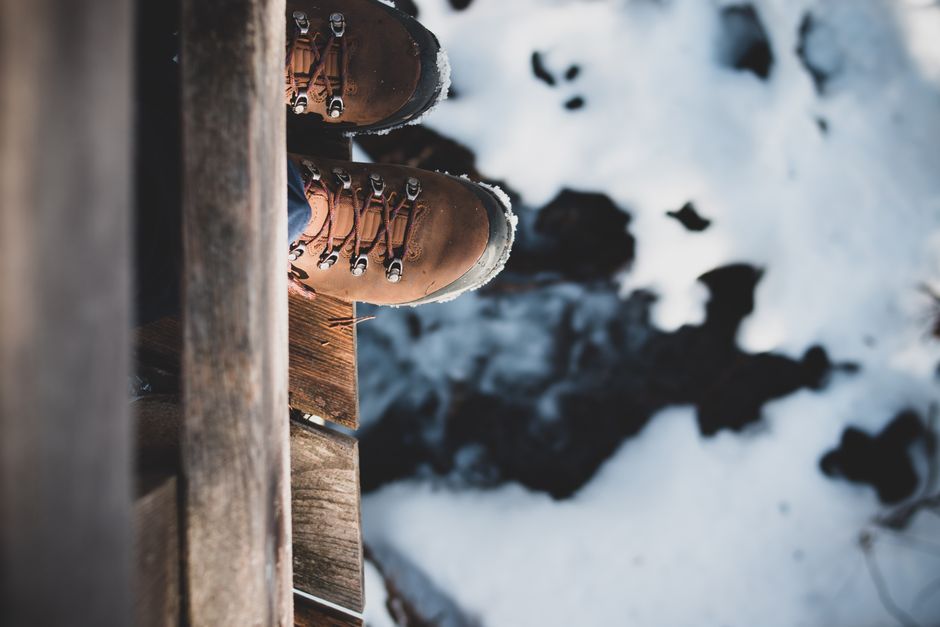
Selecting the right hiking boots is a fundamental decision for anyone who spends time on trails. The choice involves evaluating several factors, including the terrain you plan to explore, the shape of your feet, and the level of support your body requires. Because hiking boots serve as the primary interface between you and the ground, their design and fit can influence comfort and stability during outdoor activities. This article outlines a structured approach to choosing hiking boots, focusing on the key considerations that can help you make an informed decision. Whether you are a beginner or an experienced hiker, understanding these elements can enhance your overall trail experience.
There is no single best hiking boot for everyone; the right choice depends on a combination of personal and environmental factors. Terrain type, foot anatomy, and intended use all play significant roles. Additionally, the materials and construction of the boot, as well as the break-in period, are important aspects to consider. By systematically evaluating these areas, you can narrow down the options and find footwear that aligns with your specific needs. This guide provides a framework for that evaluation, emphasizing observation and trial rather than prescribing a one-size-fits-all solution.
Before delving into specifics, it is helpful to recognize that hiking boots are part of a broader system that includes socks, insoles, and sometimes orthotics. Each component interacts with the others, and changes in one area may affect overall performance. Therefore, a holistic view is beneficial. The following sections explore terrain types, foot shape and support needs, boot materials and construction, fit and sizing, and break-in periods. By the end, you should have a clearer understanding of how to approach the selection process.
Terrain and Intended Use
The terrain you plan to hike on is a primary factor in boot selection. Different surfaces demand different levels of traction, protection, and flexibility. For example, well-maintained trails with gentle gradients may require less aggressive tread and a lighter, more flexible boot. In contrast, rocky, uneven terrain or off-trail excursions often call for a stiffer boot with a more pronounced lug pattern. Considering the typical conditions you will encounter helps narrow the field.
Intended use also encompasses the duration and frequency of your hikes. Day hikes on established paths might be comfortable with low-cut hiking shoes or mid-cut boots, while multi-day backpacking trips with heavy loads generally benefit from higher-cut boots that offer more ankle support. The weight of your pack further influences the required support; heavier loads typically demand a sturdier boot to maintain stability and reduce fatigue.
It is also worth noting that terrain can vary within a single hike. A trail might start on smooth dirt, transition to rocky scree, and end with a stream crossing. Boots that perform well across a range of conditions often provide a good balance of rigidity and flexibility. Some hikers prefer to have multiple pairs for different scenarios, but for many, a versatile mid-range boot suffices.
- Light trails: Low-cut shoes or lightweight boots with moderate tread.
- Mixed terrain: Mid-cut boots with a balance of support and flexibility.
- Rugged or off-trail: Stiff, high-cut boots with aggressive tread and protective features.
- Backpacking: Supportive boots designed for heavy loads, often with stiffer midsoles.
When assessing terrain, consider the climate and season as well. Wet, muddy conditions may require boots with water-resistant materials and deep lugs for traction. Snow or icy patches might call for insulation and the ability to attach traction devices. These environmental factors add another layer to the decision-making process.
Foot Shape and Support Needs
Foot shape varies widely among individuals, and hiking boots are not universally shaped. Key dimensions include arch height, foot width, and volume (the overall space your foot occupies inside the boot). Understanding your foot characteristics can guide you toward brands or models that tend to fit your profile. For instance, some brands are known for accommodating wider feet, while others cater to narrower shapes.
Arch height influences how your foot interacts with the boot’s midsole and insole. A high arch may require more cushioning and a contoured insole to distribute pressure evenly. A low arch or flat foot might benefit from a more supportive midsole and possibly motion control features to reduce overpronation. Neutral arches generally have fewer specific requirements, but fit remains paramount.
Support needs extend beyond foot shape to include ankle stability and overall body mechanics. Previous injuries, balance issues, or a history of ankle sprains may indicate a need for higher-cut boots that provide additional ankle support. Conversely, those with strong ankles and a preference for freedom of movement might opt for lower-cut designs. It is essential to weigh the trade-offs between support and flexibility, as more support often adds weight and reduces range of motion.
Foot volume is another critical factor. A high-volume foot may feel cramped in a boot with a narrow last, while a low-volume foot might swim in a boot that is too roomy, leading to blisters and instability. Many boots offer adjustable lacing systems and tongue padding to accommodate variations in volume. Trying on multiple models and sizes is the most reliable way to assess fit.
Materials and Construction
Hiking boots are constructed from a variety of materials, each with distinct properties regarding durability, breathability, water resistance, and weight. Leather, synthetic fabrics, and combinations thereof are common. Full-grain leather is known for its durability and ability to mold to the foot over time, but it is relatively heavy and requires maintenance. Synthetic materials are often lighter, dry faster, and require less break-in, but may have a shorter lifespan.
Waterproof membranes, such as those using proprietary technologies, can enhance water resistance but may reduce breathability. In warm, dry conditions, breathable non-waterproof boots might be more comfortable. Conversely, in wet or cold environments, waterproofing becomes more important. Some boots feature a combination of waterproof and breathable materials to balance both concerns.
The construction of the boot includes the midsole, outsole, and upper. The midsole provides cushioning and support; materials like EVA foam or polyurethane are common. A stiffer midsole offers more support for heavy loads, while a softer one emphasizes comfort. The outsole, typically made of rubber, determines traction; lug depth and pattern affect grip on different surfaces. The upper material and its design influence breathability, protection, and overall fit.
Other features to consider include toe caps for protection against rocks, heel brakes for downhill stability, and gusseted tongues to keep debris out. The shank, a stiff insert in the midsole, adds rigidity for edging on rocky terrain. Understanding these components can help you evaluate how a boot might perform in your intended use.
“The best boot is the one that fits your foot and your adventure. There is no substitute for trying them on and walking around.”
Fit and Sizing
Achieving a proper fit is arguably the most critical step in selecting hiking boots. A boot that is too tight can cause discomfort, blisters, and restricted circulation, while one that is too loose can lead to instability and hot spots. Fit should be assessed with the socks you plan to wear while hiking, as sock thickness affects volume. It is advisable to try boots later in the day when feet are slightly swollen, simulating conditions during a hike.
When trying on boots, ensure there is about a thumb’s width of space between the end of your longest toe and the front of the boot. This allows for foot expansion and prevents toe stubbing on descents. The heel should be snug and lift minimally when walking. The midfoot should feel secure without pressure points, and the toe box should allow toes to wiggle freely. Lacing systems should be adjusted to achieve a secure but comfortable hold.
It is important to walk around in the boots, ideally on a ramp or uneven surface, to assess how they feel during motion. Many retailers offer return policies that allow for testing indoors, but be sure to check the specifics. Some specialty stores provide fitting services and can offer guidance based on your foot shape and intended use.
Remember that sizing can vary between brands and even between models within a brand. Do not assume you are always the same size. Always try on multiple sizes and widths if available. If you use orthotics, bring them with you when trying on boots to ensure compatibility.
Break-In Period
Many hiking boots, especially those made of full-grain leather, require a break-in period before they reach optimal comfort. This period allows the materials to soften and mold to the shape of your foot. The duration can vary from a few days to several weeks, depending on the boot’s construction and the frequency of wear. Synthetic boots often have a shorter break-in period, sometimes requiring little to none.
To break in boots effectively, start with short walks on flat, easy terrain and gradually increase distance and difficulty. This gradual approach helps prevent blisters and allows you to identify any pressure points. Wearing the boots around the house or on errands can also help. Some hikers use aftermarket insoles during the break-in period to address specific comfort issues.
It is important to monitor for signs of excessive wear or discomfort that does not improve. If a boot continues to cause pain after a reasonable break-in period, it may not be the right fit. In such cases, consider consulting a footwear specialist or trying a different model. Patience during this phase can lead to long-term satisfaction on the trail.
Proper maintenance during and after the break-in period can extend the life of your boots. Cleaning off dirt and mud, allowing them to dry naturally away from direct heat, and applying appropriate conditioners or waterproofing treatments as needed are good practices. These steps help maintain the materials and performance over time.
Ultimately, choosing the right hiking boots is a personal process that combines research, try-ons, and real-world testing. By considering terrain, foot shape, support needs, materials, fit, and break-in, you can make a more informed decision. Trailhead Adventures encourages outdoor enthusiasts to take the time to find footwear that supports their adventures safely and comfortably.