Leave No Trace: Principles for Responsible Hiking

Hiking offers a profound way to connect with nature, but it also carries a responsibility to protect the environments we explore. The Leave No Trace framework provides a set of seven principles designed to guide outdoor enthusiasts in minimizing their impact. These principles are not rigid rules but rather adaptable guidelines that help hikers make informed decisions in diverse landscapes. Understanding and applying them can contribute to the long-term health of natural areas.
This article outlines the seven Leave No Trace principles and offers practical suggestions for applying them on the trail. Whether you are a day hiker or a seasoned backpacker, these concepts can help you tread lightly and preserve the outdoors for future generations. The focus is on awareness, preparation, and respect for all living things.
Trailhead Adventures encourages all outdoor enthusiasts to learn and practice Leave No Trace ethics. By integrating these principles into your hiking routine, you become part of a collective effort to safeguard our shared natural heritage.
1. Plan Ahead and Prepare
Proper planning is the foundation of any low-impact hike. Before setting out, research the area you intend to visit, including its regulations, terrain, weather patterns, and any sensitive habitats. Understanding what to expect helps you avoid unnecessary damage and ensures a safer experience. For example, knowing whether fires are permitted can prevent the creation of illegal fire rings. Similarly, checking weather forecasts allows you to pack appropriate gear and avoid emergency situations that might lead to resource damage.
Planning also involves considering group size. Large groups can have a disproportionate impact on trails and wildlife. Many protected areas limit group size, so splitting into smaller parties is often recommended. Additionally, scheduling your trip during less busy times can reduce crowding and the associated wear on trails. Preparation extends to meals: repackaging food into reusable containers reduces waste and the chance of leaving behind scraps. By thinking ahead, you minimize the need for last-minute decisions that could harm the environment.
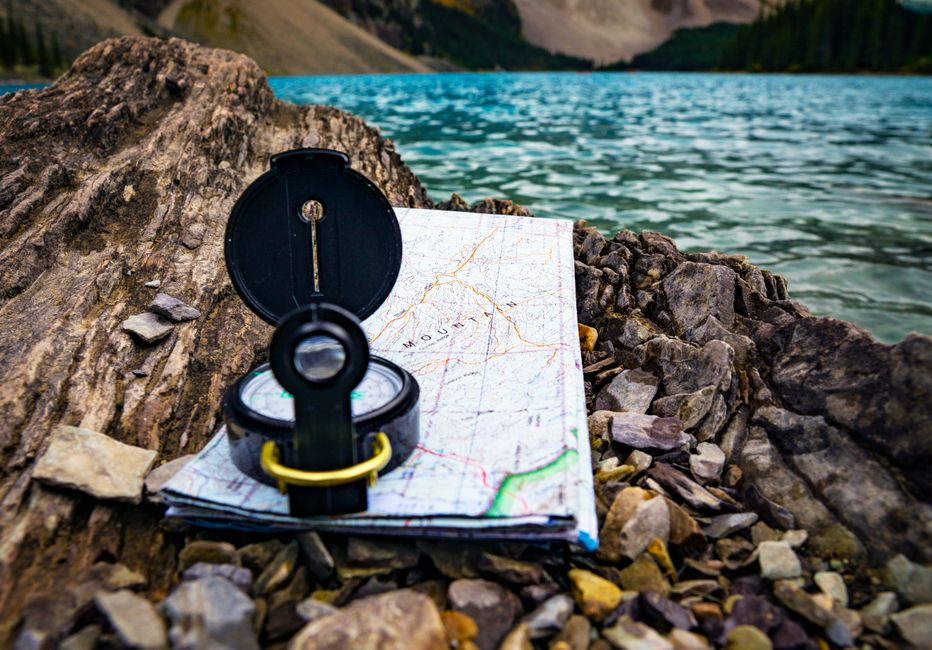
Trailhead Adventures recommends using maps, guidebooks, and local expert advice to plan your route. Being self-sufficient also means carrying essential items like water, navigation tools, and a first-aid kit. This reduces the likelihood of needing rescue, which can cause significant resource impacts. Remember that a well-prepared hiker is a responsible hiker.
2. Travel and Camp on Durable Surfaces
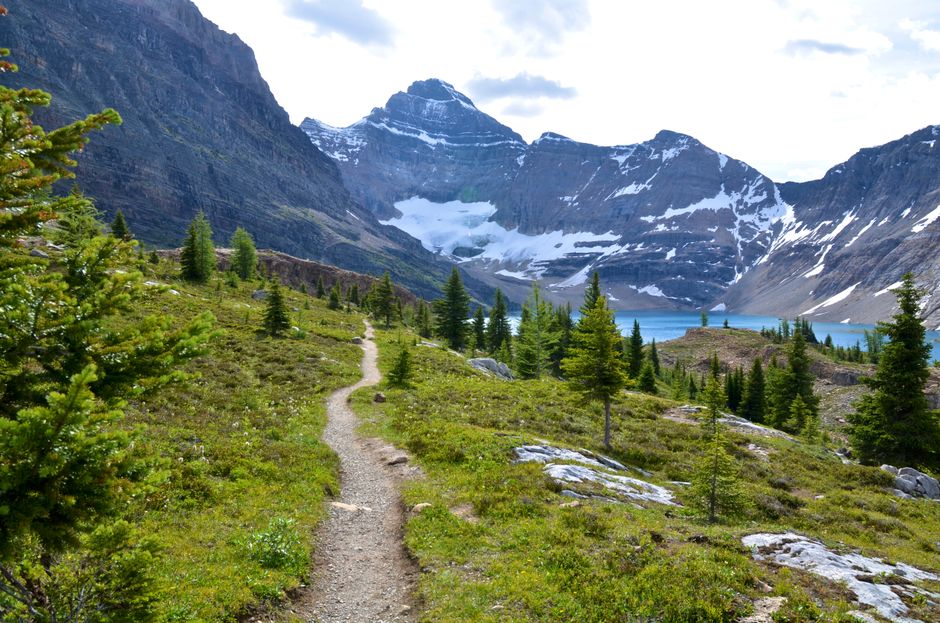
The second principle focuses on where you walk and camp. Durable surfaces include established trails, rocks, gravel, dry grasses, and snow. Sticking to designated trails concentrates impact and prevents the creation of new, unsightly paths. When hiking, walk single file in the center of the trail, even if it is muddy. Widening trails by walking around puddles causes erosion and habitat fragmentation. In pristine areas, spread out to avoid creating new trails, but in heavily used areas, concentrate use on existing routes.
Camping on durable surfaces is equally important. Choose established campsites at least 200 feet from water sources to protect riparian zones. If no established site exists, select a spot on rock, gravel, or dry grass. Avoid camping on vegetation, as it takes years to recover. In popular areas, use existing sites to prevent the proliferation of new ones. In remote areas, disperse your camp to minimize lasting impact. Always leave the site as you found it, or better.
Trailhead Adventures emphasizes that durable surfaces vary by environment. In alpine areas, fragile plants may take decades to regrow, so extra care is needed. In desert environments, cryptobiotic soils are living crusts that are easily crushed. By choosing where to step and sleep wisely, you protect these delicate ecosystems.
3. Dispose of Waste Properly
Proper waste disposal is crucial to maintaining the aesthetic and ecological integrity of natural areas. The general rule is “pack it in, pack it out.” This includes all trash, leftover food, and litter. Even biodegradable items like apple cores and orange peels can harm wildlife and should be carried out. Human waste also requires careful management. In many areas, catholes 6-8 inches deep and 200 feet from water are recommended. In some fragile environments, packing out human waste in approved containers is necessary.
For washing, carry water at least 200 feet from streams and lakes, and use small amounts of biodegradable soap. Scatter strained dishwater to prevent concentration. Avoid washing directly in water sources, as even biodegradable soaps can harm aquatic life. When nature calls, follow local regulations and use Leave No Trace techniques to minimize impact.
Trailhead Adventures advises hikers to bring a small trowel and repackage food to reduce waste. Proper disposal also includes managing pet waste; bag it and pack it out. By handling waste responsibly, you protect water quality, wildlife health, and the experience of other visitors.
4. Leave What You Find
The fourth principle encourages hikers to preserve the natural and cultural integrity of the places they visit. This means not removing rocks, plants, fossils, or artifacts. These items are part of the ecosystem and cultural heritage. Disturbing them can disrupt habitats and erase historical records. It also means not introducing non-native species. Invasive plants and animals can devastate local ecosystems, so clean your gear before and after trips to prevent spreading seeds or organisms.
Avoid building structures, digging trenches, or carving into trees or rocks. These actions leave permanent marks and diminish the experience for others. Instead, take only photographs and leave only footprints. If you come across cultural or historical artifacts, observe them in place and report significant finds to land managers.
Trailhead Adventures reminds hikers that leaving what you find also applies to natural objects like antlers, shells, and flowers. These items serve important ecological roles. By practicing restraint, you help maintain the natural balance and beauty of the outdoors.
5. Minimize Campfire Impacts
Campfires can be a cherished part of the hiking experience, but they also have significant potential for impact. The fifth principle advises using a lightweight stove for cooking and a lantern for light. If you must have a fire, use established fire rings, pans, or mound fires. Keep fires small and only use dead and downed wood that can be broken by hand. Never leave a fire unattended, and burn all wood and coals to ash. Completely extinguish the fire with water and stir the ashes until they are cool to the touch.
In areas where fires are not permitted, respect the regulations. High-altitude and desert environments often prohibit fires due to slow regrowth and fire danger. Consider the cumulative impact: if many people build fires, the area becomes scarred. Using a stove reduces this impact and allows you to cook efficiently.
Trailhead Adventures encourages hikers to check local fire regulations and consider alternatives like candle lanterns or headlamps. By minimizing campfire impacts, you help preserve the natural views and soil integrity of campsites.
6. Respect Wildlife
Respecting wildlife is essential for their safety and yours. Observe animals from a distance, and never feed them. Feeding wildlife can alter their natural behaviors, lead to dependency on human food, and cause health problems. It can also attract animals to roads and campsites, increasing the risk of accidents. Keep pets under control or leave them at home. Store food securely in bear-resistant containers or hang it properly to prevent wildlife from accessing it.
Avoid sensitive habitats during critical times, such as nesting seasons or mating periods. If you encounter an animal, give it space and back away slowly. Never corner or chase wildlife. In bear country, carry bear spray and know how to use it. Understanding animal behavior can help you avoid conflicts.
Trailhead Adventures advises hikers to learn about local wildlife before heading out. By respecting wildlife, you contribute to their conservation and reduce the likelihood of negative encounters.
7. Be Considerate of Other Visitors
The final principle focuses on courtesy and respect for others. Hikers should yield to others on the trail, especially those going uphill. Step aside to let faster hikers pass. Keep noise levels down to preserve the tranquility of nature. Avoid playing music out loud; use headphones if you must listen to something. Control pets and children to ensure they do not disturb others. When taking breaks, move off the trail so others can pass easily.
At campsites, respect quiet hours and keep your site tidy. Be mindful that other visitors may be seeking solitude. By being considerate, you help create a positive experience for everyone and foster a community of responsible outdoor enthusiasts.
Trailhead Adventures promotes a culture of respect on the trail. Small acts of kindness and awareness go a long way in ensuring that natural spaces remain enjoyable for all.
Applying Leave No Trace in Practice
Applying the seven principles requires ongoing awareness and adaptability. Each environment presents unique challenges, and what works in one area may not in another. Education and preparation are key. Take time to learn about the specific ecosystems you visit and the regulations in place. Many land management agencies offer resources and training on Leave No Trace techniques.
Practice these principles consistently, even on short walks in local parks. Over time, they become second nature. Share your knowledge with others and lead by example. Remember that the goal is not perfection but continuous improvement. Every small action counts toward preserving the outdoors.
Trailhead Adventures invites you to embrace Leave No Trace as a personal ethic. By doing so, you join a global community dedicated to protecting the natural world for generations to come.