Essential Gear for a Day Hike
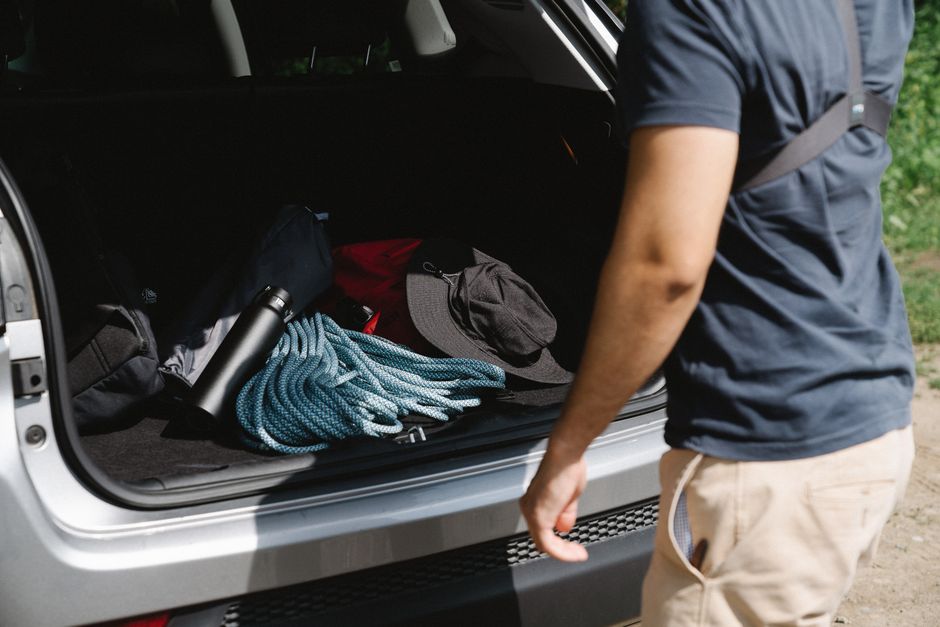
Embarking on a day hike offers a refreshing escape into nature, but proper preparation is key to ensuring a safe and enjoyable experience. The gear you choose can significantly impact your comfort and ability to respond to changing conditions. Whether you are a beginner or an experienced hiker, having a well-thought-out checklist helps you avoid common pitfalls and focus on the journey ahead.
This article provides a comprehensive overview of essential items for a day hike, covering footwear, layering systems, navigation tools, and emergency supplies. Each category is explored with practical considerations and tips to help you make informed decisions. Remember that the specific gear you need may vary based on factors such as terrain, weather, and personal needs, so use this as a flexible guide rather than a rigid set of rules.
By understanding the purpose of each item, you can tailor your pack to the conditions you expect to encounter. Trailhead Adventures encourages hikers to adopt a thoughtful approach to gear selection, emphasizing preparation and adaptability. The following sections delve into the details of each essential component, offering insights that can enhance your hiking experience.
Footwear: The Foundation of a Comfortable Hike
Your choice of footwear is arguably the most critical decision for a day hike. Proper hiking shoes or boots provide support, traction, and protection, reducing the risk of blisters, sprains, and fatigue. The ideal footwear depends on the trail conditions, the weight of your pack, and your personal biomechanics. For well-maintained trails with moderate elevation, lightweight hiking shoes may suffice. For rugged terrain or uneven surfaces, sturdier boots with ankle support are often beneficial.
When selecting footwear, consider the fit, materials, and sole design. A proper fit should allow for slight toe movement while preventing heel slippage. Breathable materials like mesh can help manage moisture, while waterproof membranes offer protection in wet conditions. The outsole should feature deep, multidirectional lugs for grip on varied surfaces. It’s advisable to break in new footwear before a long hike to avoid discomfort.
In addition to the shoes themselves, socks play a vital role in foot comfort. Moisture-wicking socks made of wool or synthetic blends help keep feet dry and reduce friction. Avoid cotton socks, as they retain moisture and can lead to blisters. Carrying a spare pair of socks allows you to change if your feet get wet, which can prevent issues during the hike.
Layering System: Adapting to Changing Conditions
A well-designed layering system allows you to regulate body temperature and stay comfortable as weather and activity levels change. The classic three-layer approach includes a base layer, a midlayer, and an outer shell. Each layer serves a specific function: the base layer manages moisture, the midlayer provides insulation, and the outer shell protects against wind and precipitation.
For the base layer, choose moisture-wicking fabrics such as merino wool or synthetic materials. These fabrics draw sweat away from your skin, helping you stay dry and warm. Avoid cotton, which absorbs moisture and loses insulating properties when wet. The midlayer, often a fleece or lightweight puffy jacket, traps heat and can be easily removed when you warm up. The outer shell should be waterproof and breathable, shielding you from rain and wind while allowing internal moisture to escape.
It’s also wise to pack additional items like a hat, gloves, and a lightweight buff. These accessories can be added or removed quickly to fine-tune your comfort. Remember that temperatures can drop rapidly in the mountains or as the sun sets, so having extra insulation available is a smart precaution. The key is to avoid overdressing at the start, as you may overheat once you begin moving.
Navigation Tools: Finding Your Way with Confidence
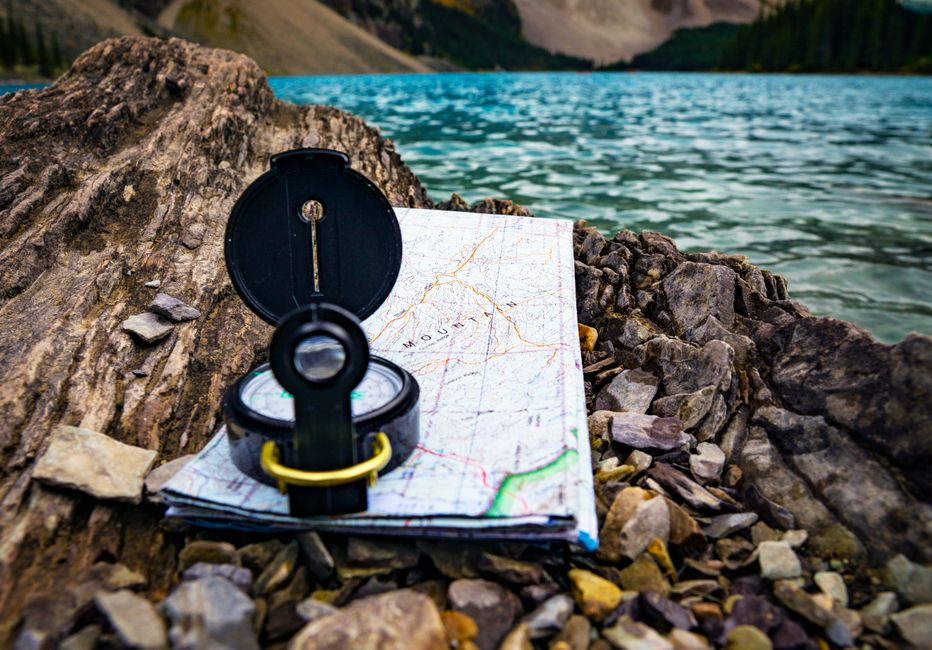
Even on well-marked trails, having reliable navigation tools is essential. A map and compass are traditional staples that do not rely on batteries or satellite signals. Learning how to use them together is a valuable skill that can help you stay on course if technology fails. In addition to paper maps, consider carrying a dedicated GPS device or using a smartphone with offline maps and a power bank.
Before you set out, study the route and note key landmarks, trail junctions, and potential bailout points. This preparation helps you anticipate challenges and make informed decisions. If you are using a smartphone for navigation, ensure that you have downloaded the necessary maps and that your device is fully charged. A portable charger can extend battery life, but keep in mind that cold temperatures can drain batteries faster.
It’s also helpful to carry a whistle and a small mirror for signaling in case of an emergency. These lightweight items can be invaluable if you need to attract attention. While navigation tools are important, they are not a substitute for situational awareness. Pay attention to your surroundings and trail markers, and don’t hesitate to turn back if conditions worsen or you feel uncertain.
Emergency Supplies: Preparing for the Unexpected
Emergency supplies form a crucial part of your day hike kit, even for short excursions. A basic first aid kit should include items for treating cuts, blisters, and minor sprains. Consider adding personal medications, insect repellent, and sunscreen. A multi-tool or knife can be handy for various tasks, from gear repairs to food preparation.
In terms of shelter and warmth, an emergency bivy or space blanket can provide critical protection if you are forced to spend an unexpected night outdoors. A small headlamp or flashlight is essential for visibility if you are delayed and find yourself hiking in the dark. Fire-starting materials, such as waterproof matches or a lighter, can help you stay warm and signal for help.
Water and food are also emergency essentials. Carry more water than you think you need, and bring high-energy snacks like nuts, granola bars, or dried fruit. A water filter or purification tablets can serve as a backup if you run out and need to refill from natural sources. Remember that emergency supplies should be tailored to the specific risks of your hike, such as extreme heat, cold, or wildlife encounters.
Additional Considerations for a Successful Day Hike
Beyond the core categories, several other items can enhance your day hike experience. A small backpack with a hip belt distributes weight evenly and keeps your hands free. Trekking poles can improve stability on steep or uneven terrain, reducing strain on your knees. A lightweight tarp or emergency shelter can provide shade or protection from rain during breaks.
It’s also important to check the weather forecast before you leave and inform someone of your plans. Leave a note with your intended route and expected return time. Pack out all trash and follow Leave No Trace principles to minimize your impact on the environment. Trailhead Adventures promotes responsible hiking practices and encourages hikers to be prepared for self-rescue.
Finally, remember that gear alone does not guarantee a safe hike. Your judgment, experience, and physical condition play significant roles. Start with shorter, less challenging trails and gradually build your skills and confidence. With the right preparation, a day hike can be a rewarding and rejuvenating experience.